Why Pirate Games Keep Sinking — And Why Windrose Stands Out

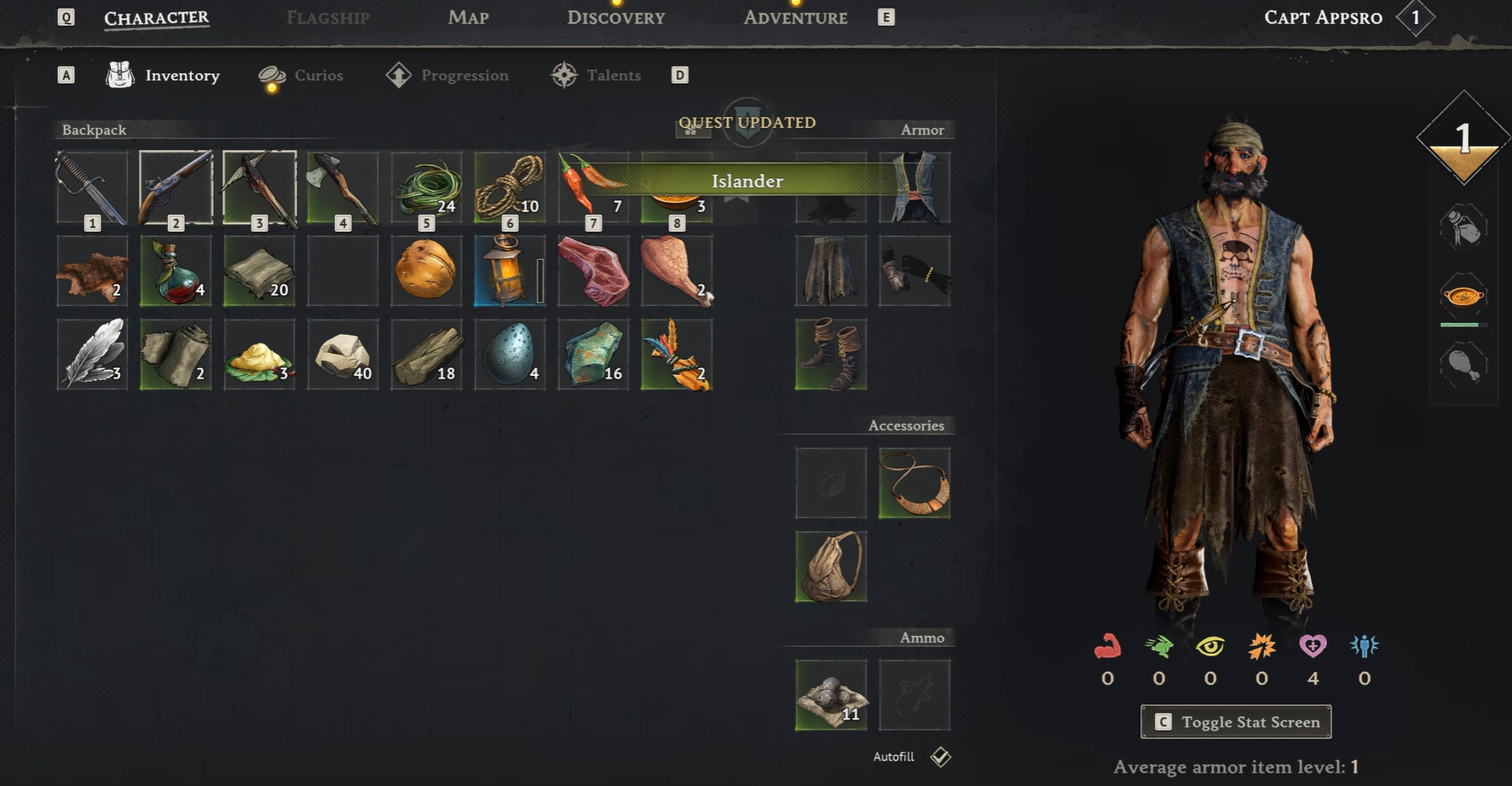
Over the past decade, pirate games have risen on waves of massive hype—only to quietly sink beneath them.
It’s a genre built on fantasy: cannon fire at dusk, storms tearing across open seas, boarding actions under a burning sky. On paper, it should be unstoppable.
And yet, time and again, the reality falls short.
When titles like Skull and Bones and Atlas launched, they carried enormous expectations. Big budgets. Ambitious scale. Bold promises. But once players stepped aboard, many discovered a profound disconnect. Ships felt like mere vehicles rather than living spaces. Survival loops swung between shallow and bloated. Systems generated friction rather than genuine tension.
Observers and players alike have asked:
Why does pirate survival keep missing the mark?
And more importantly—what would it look like if a game got it right?
Windrose appears to provide an answer.
A Ship Is Not Just a Mount
One of the biggest issues in modern pirate games is that ships are treated primarily as transportation tools.
Press a key, steer, fire. Mechanically functional—but emotionally hollow.
In Windrose, the design makes the ship feel like a place, not just a vehicle.
Players can walk its deck.
They can fight on it.
They can board an enemy ship and transition from cannon fire to steel-on-steel melee in seconds.
Naval combat integrates with survival and character combat. The ocean doesn’t serve as a loading screen between islands—it is the connective tissue of the world.
This design philosophy shapes almost every aspect of the experience.
Survival Should Be Tense — Not Tedious
Another common pitfall in the genre is misunderstanding survival friction.
Survival tension is valuable.
Inventory micromanagement is not.
Many survival games spend the majority of player time jogging between chests, reorganizing materials, and battling UI instead of enemies. That is inefficiency, not challenge.
Windrose demonstrates a conscious effort to reduce artificial friction:
- Workbenches automatically detect nearby storage.
- Crafting flows naturally, without constant backtracking.
- Base building has structural logic but avoids unnecessary punishment.
Pressure comes from the world, not the interface. Small design details, like comfort buffs from beds or connecting inventories, indicate thoughtful quality-of-life improvements while keeping gameplay engaging.
Brutal Beginnings Matter
Many pirate fantasies start players as legends.
Windrose does not.
The game begins in chaos—a naval battle gone wrong. Players are not powerful. They are not prepared. They are stranded.
Early gameplay is intentionally unforgiving:
- Stamina management affects combat outcomes.
- Armor weight changes effectiveness.
- Enemy level differences present genuine threats.
Combat leans toward a souls-lite philosophy: timing, positioning, and reading patterns are crucial. Overextension results in swift consequences. This brutality emphasizes risk as the core of meaningful survival, rather than treating early gameplay as trivial crafting.
Scale and Sincerity
When the Windrose demo launched during Steam Next Fest, it surprised many observers.
Players didn’t just try it—they stayed.
The demo wasn’t a tiny tutorial island. It offered a large, explorable space with multiple systems active: shipbuilding, alchemy, dungeon encounters, sea travel, and progression tiers.
Rather than a vertical slice, the demo provided a glimpse into the actual game loop.
The reception validated that approach, with players appreciating both depth and scale even in a pre-release demo.
Refining Survival, Not Reinventing It
Windrose does not attempt to reinvent the survival genre. Instead, it refines proven mechanics, discards inefficiencies, and integrates exploration, crafting, and combat in a cohesive world.
Master the Seas with Windrose Wiki
Looking for more in-depth guides, ship builds, and crafting recipes? Dive into our complete wiki for professional Windrose strategies and data.
Explore Full WikiMore to Explore
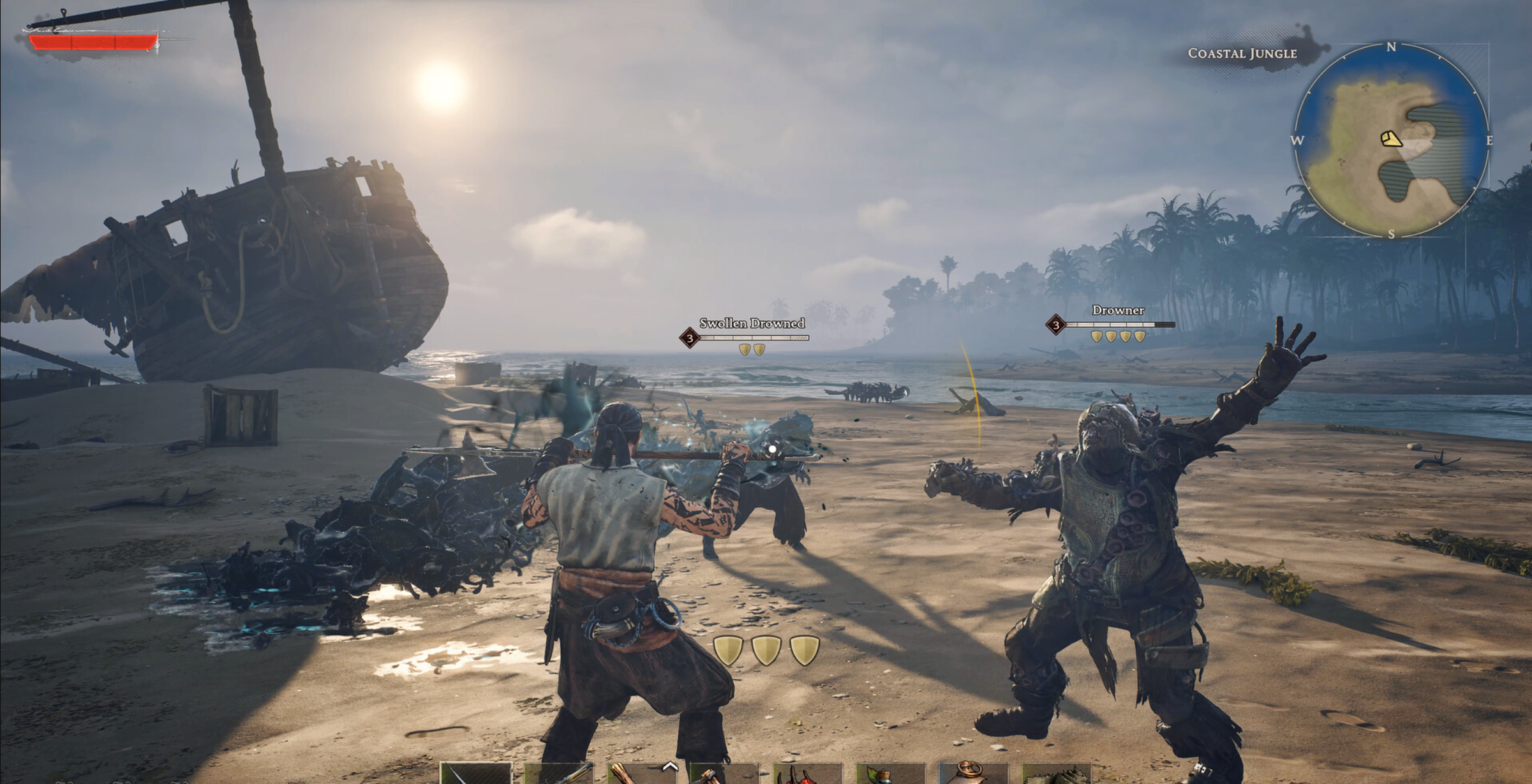
Indie Sensation Windrose Hits 1 Million Wishlists — 22,000 Concurrent Players Smash Records
How a pirate survival game became Steam's breakout star of 2026, from MMO pivot to phenomenon.
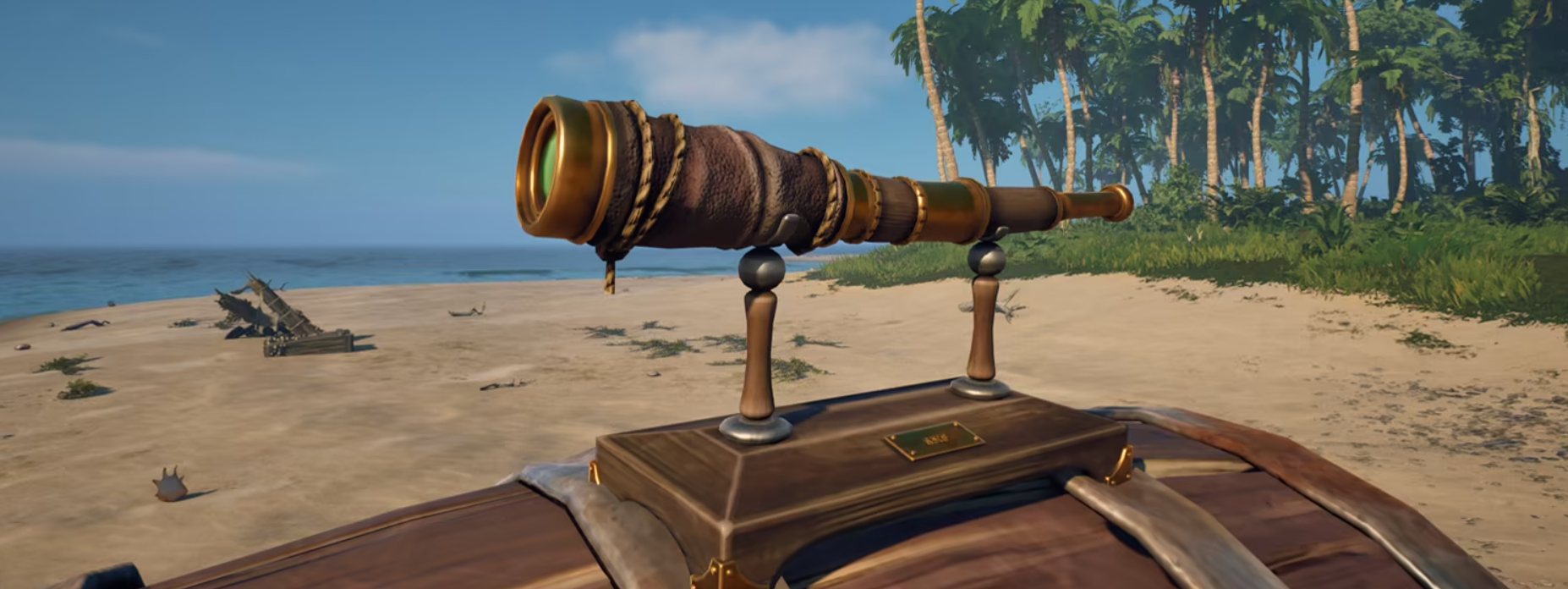
Windrose: A New Horizon in Pirate Survival Crafting
A deep dive into Windrose's core mechanics, the vast open world of the Age of Piracy, and how to master soulslite combat on land and sea.
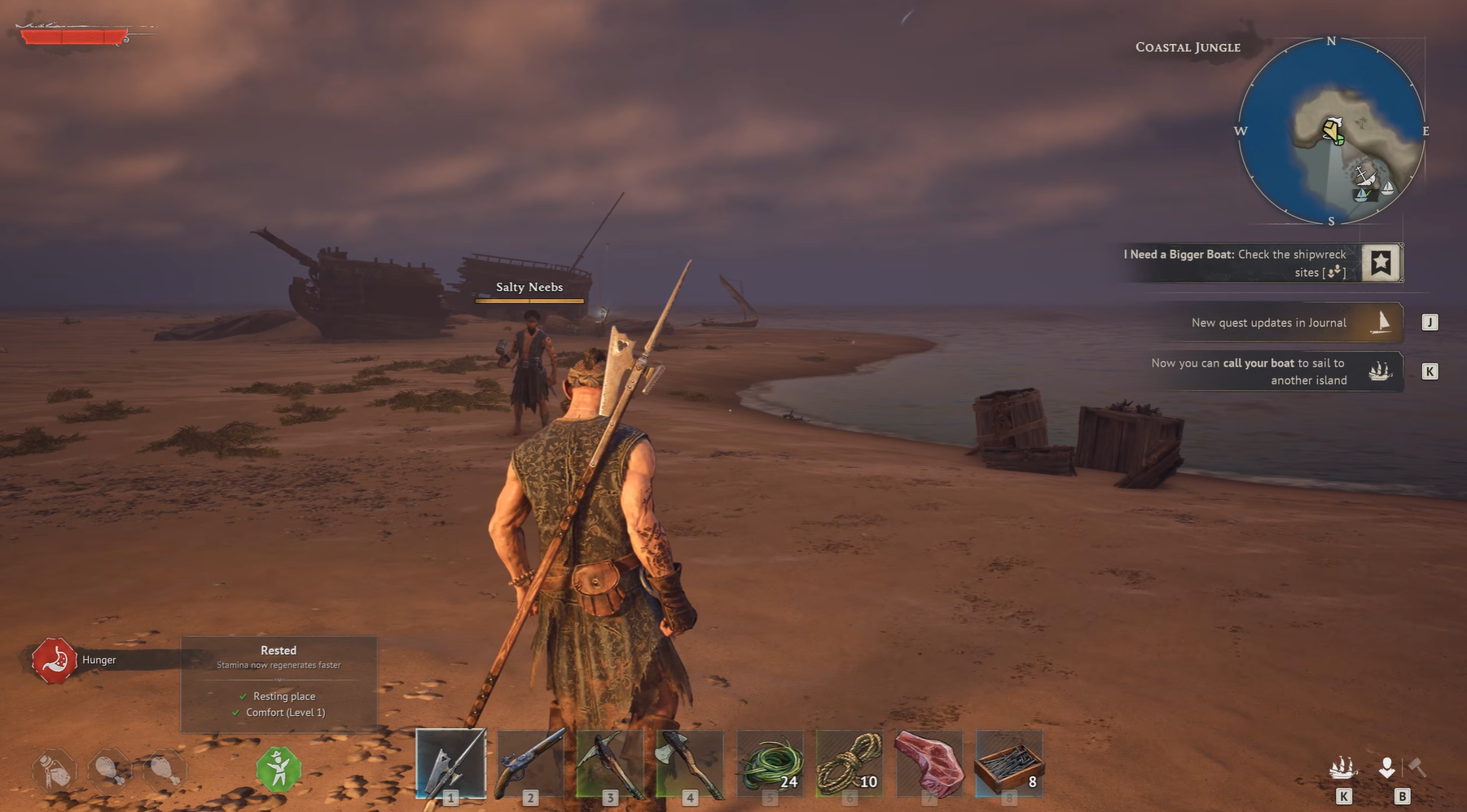
Inside Windrose’s Survival Systems — Experiencing Pressure Without Friction
A player’s perspective on Windrose’s crafting loop, base systems, progression tiers, and how survival design feels in practice.